If you’re transitioning out of the military, there are a number of valuable resources at your disposal. In addition to your standard military-issue transition class, there are countless non-profit organizations, headhunter companies, job boards, and career fairs that could open doors. However, the trend is moving toward online and social recruiting. Every single hiring process you encounter will take into account your digital footprint. Often, those digital outlets can produce the best leads for you as you progress in your civilian career.
Where you go when you leave the military is a decision that will greatly impact your career for the rest of your life, so take time to research, network, and consider all of your options. There are many free resources available on websites like this one to guide you in your personal brand as a whole. Once you do some soul-searching and crystallize your brand, publicize it!
The most powerful professional online platform is LinkedIn. Veterans are entitled to a free LinkedIn Job-Seeker Premium Account. Sign up, and take the advice below to maximize your options as you transition
from the military.
There are many important aspects of a LinkedIn profile. Hiring managers and other desirable contacts may look at hundreds of profiles a day. Here are some ways to help you stand out from the rest, and land the job that is the right fit for you:
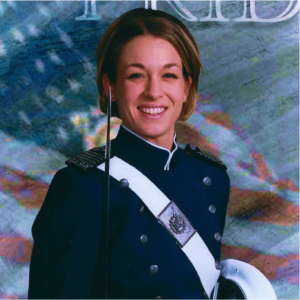
Photo: This is your first impression. Your profile photo should be high resolution, you should be dressed professionally, and it should invite the viewer to want to get to know you. Everything in the photo will send a message. You won’t be docked for a photo in uniform, but wearing a business suit sends the signal that you’re ready for what’s next. Ensure a neutral or complimentary background that does not detract from your profile picture. If in doubt, invest in your next career and get professional headshots.
Headline: Keep this brief and very polished. Inform like a news article and market like an ad. Are you top-ranked? Are you a proven leader? Key phrases like “transitioning military veteran,” “seeking,” and “looking for” will help you be discovered. If you’re not sure what you want to do when you get out, keep it generic and focus on the outcome you desire from your first job. Is it rapid growth opportunity? Is it a job in Birmingham? Let employers know your focus upfront.
Summary: Keep written content to one paragraph. You may also include short bulleted lists, contact information, or other easily digestible and valuable soundbites.
- One approach to writing the summary is to pretend you are introducing yourself to someone. What is the one most impressive thing you’ve ever done professionally? Where are you know? What are you looking forward to in your career timeline? Where do you want to live ideally, and are you flexible on geography?
- A secondary approach is more literary. In this one paragraph, you have an opportunity to be unique as well as relevant. Keep it professional here, but a few sentence story about what makes you different can be a welcome respite for readers who see hundreds of profiles a week.

- Finally, put the “ask” at the end. What can you offer to people looking at your profile? Encourage people to reach out to you.
Experience: Most employers will look at this in tandem with your resume. Make sure they both match perfectly and are 100% accurate. Include keywords and phrases that employers will be looking for in the industry or role you desire.
- Keep each section to no more than a couple of sentences and a bulleted list of quantified people, resources, or tasks you managed or impacted. What was the result of your work? What was the delta between the time you arrived and time you left each duty station? These facts will help tell your story.
- Include photographs that illustrate what you did, where you were, who you interacted with, materials you were responsible for, etc.
- Filter out all military jargon and specialized terms, and if you must use an acronym, spell it out. Once you’re done, scrub it again by asking a civilian to read it and tell you if there are any words or phrases that they don’t understand.
Recommendations: Ask for recommendations from former bosses, coworkers, and subordinates. Think about these testimonials as telling a 360-degree story of what it’s like to work with you.
Companies You Follow: This portfolio of companies will tell a hiring manager how informed you are, and where your interests lie. It’s also an easy way to keep tabs on what’s happening in your desired industry. Research and engage with leading companies in your industry of choice, as well as companies you just enjoy keeping up with. If your profession has any regulatory boards or networking societies, make sure you’re connected to them.
Your Network: Expand, expand, expand! Search and connect with people of similar backgrounds (same alma mater, military branch, or geographic location). Find people you feel you can offer value to, as well as people you would love to learn from. Pro tip: turn off your activity alerts while aggressively populating or overhauling your profile so you’re not a nuisance to your network.
Finishing Touches: The Elements of Style, by Strunk & White is one of the best primers on writing. Also, use Grammarly to check for spelling and grammar errors. Use these tools to put the finishing touches on your profile. Finally, ask 10 close friends, other transitioning veterans or personal mentors to review your profile and offer their impressions. Do these impressions match the messaging you desired to communicate?
For further information on getting the most out of LinkedIn, click on the Learning tab on your LinkedIn home page. Here you will find many “courses” and articles on how to maximize your account. The course called LinkedIn For Veterans should get you started.
Here’s to your success!
___________________
Meredith Davis specializes in educating active duty military members who are transitioning into the high-tech industry.
 their website, how they write the job description. Aim to speak their language. You need to connect. If writing about military experience, translate it so civilians can understand. There are multiple websites out there that can assist, but at it’s simplest, get a civilian friend to read it and provide feedback. Use Veterati.com, a veteran mentoring network, to find an HR professional to consult and maybe even review your resume.
 sales is why he joined Tech Qualled. He understands the challenges associated with this transition and enjoys working with veterans so they can successfully break into the high tech space. Brian is a graduate of Tulane University where he received his Bachelors of Science in Finance; was the ROTC Battalion Commander, and is proudly a member of the Sigma Phi Epsilon fraternity.
 learning theories into our program. As a result, information retention increases, and our learning outcomes are dramatically improved.
 need levels. Two courses with identical content will have completely different learning outcomes if there is no response from the instructor or limited engagement in general, versus having a high-touch online learning environment. Our cohort sizes allow us to respond quickly to each learner, and time to devote to those who have higher needs so every learner feels supported. Learner frustration can directly decrease learning outcomes. The benefit of this approach is to increase the overall learner experience and put the learners at ease psychologically.



 produced almost 300 minutes of politically packed content, yet the word “veteran” was only heard three times. This is surprising, given that
  mitigated by higher education.
 either; policymakers just need to help promote and direct veterans toward them. For all its faults, the American university ecosystem has created a successful template that the Trump Administration should tap into in order to help match transitioning veterans with jobs in fields suffering talent shortages, like data science and cybersecurity.
 Veteran Recruiting Manager at


 separate from the Army this year. I’m a West Point graduate and served 9 years in the Army Corps of Engineers. After updating my LinkedIn profile to indicate my pending transition, I was contacted by
  Conversely, it gives candidates an opportunity to learn from the best and expand their network of mentors. As a side note, many of these interactions led to job offers, so we were all trying to impress and close the deal.